
Published: [21.05.2026] | Category: Quick Drinks, Healthy Recipes | Prep Time: 5 Minutes
If someone told you that you could blend a handful of the most nutrient-dense plant food on the planet into a smoothie and have it taste like a tropical vacation — would you believe them?You should. Because that’s exactly what this microgreens smoothie does.
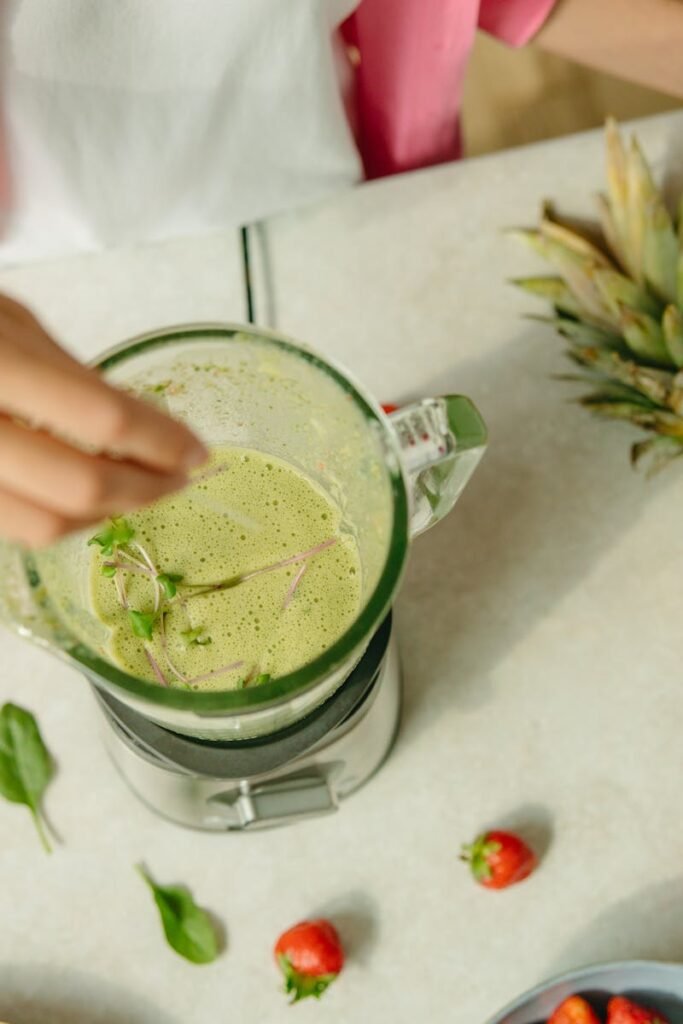
Most green smoothies taste like punishment. Grassy, bitter, and just earthy enough to make you question your life choices before 8am. This one is different. It’s creamy, naturally sweet, bright, and genuinely delicious — even to people who swear they don’t like green smoothies.I
‘ve been adding microgreens to smoothies for over a year now, and once I figured out the right combinations, I never went back to plain spinach. Here’s everything you need to know.
Why Add Microgreens to a Smoothie?
Let’s talk about why this even makes sense from a nutrition standpoint — because it’s actually kind of remarkable.
Microgreens are the seedling stage of vegetables and herbs, harvested just 7–14 days after germination. At this stage, they’re in the middle of a massive growth surge, which means they’re packed with concentrated nutrients.
Research has shown that some microgreens contain 4 to 40 times more vitamins and antioxidants than their fully mature counterparts. That means a small two-tablespoon handful of broccoli microgreens in your smoothie is doing nutritional work that a full cup of mature broccoli might struggle to match.
Here’s what you’re getting in a typical microgreens smoothie:
Vitamin C — immune support and collagen production
Vitamin K — bone health and blood clotting
Vitamin E — skin health and antioxidant protection
Beta-carotene — converted to vitamin A in the body, supports eye health
Polyphenols — powerful anti-inflammatory compounds linked to reduced risk of heart disease and cognitive decline
Sulforaphane (especially in broccoli microgreens) — one of the most studied anti-cancer compounds in food science
And unlike mature kale or spinach, most microgreens have a much milder flavour. Blended with fruit, you genuinely cannot taste them. That’s the magic.
The Best Microgreens for Smoothies
Not all microgreens are created equal when it comes to blending. Some disappear completely into a smoothie. Others are assertive enough to change the flavour noticeably — which can be a good or bad thing depending on what you’re going for.
Here’s a quick guide:
Smoothie-Friendly (Mild, Blends Invisibly)
Sunflower microgreens — nutty and mild, almost sweet. The best beginner option.Pea shoots — tender, slightly sweet, no bitterness whatsoever.
Broccoli microgreens — very mild at this stage (nothing like the harsh bitterness of mature broccoli). Insanely nutritious.
Wheatgrass microgreens — grassy but familiar if you’ve had wheatgrass shots before.Bold & Flavourful (Use Sparingly or Intentionally)
Radish microgreens — peppery and assertive. Works well in a spicy “wake-up” smoothie with ginger and citrus.
Mustard microgreens — warm, spicy kick. Interesting in small amounts.
Amaranth microgreens — earthy and slightly mineral. Balance with sweeter fruit.
My recommendation for most people: Start with sunflower microgreens or pea shoots. They’re the most forgiving, the most widely available, and the least likely to surprise you.
Tropical Microgreens Smoothie Recipe
This is the smoothie I make on repeat. It’s thick, tropical, naturally sweet, and packs a serious nutritional punch. No protein powder required — though you can absolutely add it.
Serves: 1 large or 2 small | Prep time: 5 minutes Blend time: 60 seconds | Total time: 5 minutes Difficulty: Beginner
Ingredients
For the smoothie:
- 1 cup sunflower microgreens (loosely packed)
- 1 cup frozen mango chunks
- ½ frozen banana (peel and freeze overnight)
- ½ cup frozen pineapple chunks
- 1 cup coconut water (or plain water, or almond milk)
- 1 tablespoon fresh lime juice
- 1 teaspoon fresh ginger, grated (optional but highly recommended)
- Pinch of sea salt
Optional add-ins:
- 1 scoop unflavoured or vanilla protein powder
- 1 tablespoon chia seeds (for extra omega-3s and fibre)
- ½ cup Greek yogurt (for extra creaminess and protein)
- 1 teaspoon spirulina (if you want to go full superhero)
Instructions
Step 1: Prep your microgreens
Rinse your sunflower microgreens under cold water and shake off the excess. No need to dry them — the water actually helps with blending.
Step 2: Add everything to the blender
Add the coconut water to the blender first (liquid at the bottom helps the blades move more easily). Then add the microgreens, followed by the frozen fruit on top.
Step 3: Blend
Blend on high for 45–60 seconds until completely smooth. If it’s too thick, add a splash more coconut water. If it’s too thin, add a few more frozen mango pieces.
Step 4: Taste and adjust
Give it a taste. Want more sweetness? Add half a medjool date. More brightness? A little extra lime juice. More depth? A tiny extra pinch of sea salt does wonders.
Step 5: Pour and serve immediately
Pour into a tall glass. Garnish with a few fresh microgreens on top if you’re feeling fancy. Drink immediately for the best flavour and nutrient retention.
Why This Combination Works So Well
The tropical fruit combination here — mango, pineapple, banana — is strategic, not random.
Frozen mango is the sweetest of the three and has a creamy, almost buttery texture when blended. It masks any earthiness from the microgreens completely and gives the smoothie its signature golden-green colour.
Frozen banana is the secret to the thick, milkshake-like texture. Never use a fresh banana in a smoothie if you can help it — frozen gives you that restaurant-quality thickness.
Frozen pineapple adds tartness and brightness, which is what stops this smoothie from tasting flat or one-dimensional. The acidity wakes everything up.
Coconut water is far better than plain water here. It adds a subtle sweetness, a little natural sodium (important if you’re drinking this post-workout), and a tropical undertone that plays perfectly with the fruit.
Fresh ginger is the ingredient you didn’t know you needed. Just a small amount adds warmth, cuts through the sweetness slightly, and adds its own anti-inflammatory benefits. You can taste it slightly, but in the best possible way.
Microgreens Smoothie Variations
Once you’ve made the tropical version, here are four more combinations worth trying:
1. Berry Antioxidant Blast
1 cup pea shoot microgreens
1 cup frozen mixed berries
½ frozen banana
½ cup frozen dark cherries
1 cup almond milk
1 tablespoon almond butter
1 teaspoon cinnamon
Why it works: Berries and pea shoots are both mild and sweet. The almond butter adds healthy fat, which helps you absorb the fat-soluble vitamins in the microgreens.
2. Green Citrus Wake-Up
1 cup broccoli microgreens1 orange, peeled
½ cup frozen pineapple
½ frozen banana1 cup water
½ teaspoon turmeric
Pinch of black pepper (activates the turmeric)
Why it works: Broccoli microgreens are nutritional powerhouses, and the orange completely neutralises any bitterness. Turmeric adds anti-inflammatory benefits and a gorgeous golden hue.
3. Peanut Butter Banana Green Smoothie
¾ cup sunflower microgreens
2 frozen bananas
2 tablespoons natural peanut butter
1 cup oat milk
1 tablespoon cacao powder
Drizzle of honey
Why it works: This one tastes like dessert. Genuinely. The microgreens are completely invisible behind the peanut butter and banana. Great if you’re trying to get kids to eat more greens.
4. Spicy Radish Ginger Detox
½ cup radish microgreens
½ cup pea shoot microgreens
1 green apple, cored
½ cucumber, roughly chopped
Juice of 1 lemon
1-inch piece of fresh ginger
1 cup cold water
Why it works: This is the one for when you want to feel like you’re doing a cleanse. Refreshing, bright, and the radish microgreens add a satisfying peppery kick that works beautifully with the lemon and ginger.
Tips for the Best Microgreens Smoothie Every Time
Use frozen fruit, not fresh. Frozen fruit chills the smoothie naturally, means no need for ice (which dilutes flavour), and gives you that thick, creamy texture.Blend the liquid and greens first.
If your blender is on the weaker side, blend the microgreens with the liquid for 20–30 seconds before adding the frozen fruit. This ensures no leafy chunks end up in your smoothie.Don’t overdo the microgreens. More is not always more. A cup of sunflower microgreens is plenty for one smoothie.
Beyond that, you risk changing the flavour and texture in ways that aren’t necessarily better.Add fat for better nutrient absorption.
The vitamins in microgreens (A, E, K) are fat-soluble, which means your body absorbs them much more efficiently when there’s fat present. Coconut milk, nut butter, avocado, or chia seeds all work perfectly here.
Drink it immediately. Smoothies oxidise quickly and lose both nutritional value and flavour the longer they sit. If you need to prep ahead, store it in an airtight jar in the fridge and drink within 4 hours
How to Buy (and Store) Microgreens for Smoothies
The best microgreens for smoothies are fresh, not dried. Dried microgreens powder exists and works in a pinch, but the texture, taste, and nutrient profile of fresh is superior.
Where to buy: Most well-stocked grocery stores now carry microgreens in the salad or specialty produce section. Farmers markets are even better — microgreens sold there are often cut the same morning.
What to look for: Vibrant colour, upright stems, no yellowing, no off smell. A container that feels heavy for its size means dense, well-grown greens.
How to store: Keep them in the original container in the fridge, lined with a dry paper towel. Don’t wash until right before use. They’re best within 5–7 days of purchase.
Pro tip: If your microgreens are looking a little limp, revive them with a 5-minute soak in ice water, then pat dry. They’ll perk right up.
From Smoothies to Salads: Other Ways to Use Microgreens Daily
If you’ve landed here from the smoothie side of microgreens, it’s worth knowing that these tiny greens are just as magical outside a blender.
One of my favourite meals to pair with this smoothie is a proper microgreens salad — and if you want the most flavour-packed, restaurant-quality version you can make at home, check out my Golden Beet & Sunflower Microgreen Salad with Miso-Ginger Vinaigrette. It’s a 10-minute recipe that turns microgreens into the main event, not just a garnish — and the miso dressing is genuinely one of the best I’ve made. A smoothie in the morning, that salad at lunch, and you’ve covered a seriously impressive amount of nutritional ground before dinner even starts.
Frequently Asked Questions
Can I use microgreens instead of spinach in a smoothie? Yes, and in many ways they’re a better choice. They’re milder than mature spinach (no oxalic acid bitterness), more nutrient-dense by weight, and blend just as smoothly. The main difference is you’ll typically use a smaller volume, since microgreens are more concentrated.
Do microgreens lose their nutrients when blended? Blending does break down the cell walls of the plant, which actually increases the bioavailability of certain nutrients — your body can access them more easily. However, some heat-sensitive nutrients (like vitamin C) do degrade over time once blended, which is why drinking immediately is recommended.
How many microgreens should I put in a smoothie? A loosely packed cup (roughly 30–40g) is a good starting amount for one serving. This gives you significant nutritional benefit without overpowering the flavour of the other ingredients.
Are microgreens smoothies safe during pregnancy? Microgreens are generally considered safe during pregnancy and are an excellent source of folate, vitamin K, and vitamin C. As always, wash them thoroughly before use and consult your healthcare provider if you have specific concerns.
Can I grow my own microgreens for smoothies?Absolutely. Sunflower and broccoli microgreens are among the easiest to grow at home. They need minimal equipment, a sunny windowsill, and about 10–14 days to harvest.
Growing your own means you control the quality and you’ll always have a fresh supply.
Will my kids drink a microgreens smoothie?Most likely yes, if you start with the peanut butter banana variation or the tropical recipe in this post. The key is the ratio — plenty of sweet fruit, a mild microgreen like sunflower or pea shoot, and don’t tell them until after they love it.
Final Thoughts
The microgreens smoothie is one of those genuinely useful life hacks. It takes five minutes, requires zero cooking, and gets an extraordinary amount of nutrition into your body first thing in the morning — or any time of day — without requiring you to actually enjoy eating salad for breakfast.
Start with the tropical recipe. Make it exactly as written. Then, once you’re hooked, start experimenting with the variations and your own combinations.If you make this, I’d love to know what microgreen variety you used and what fruit combination you landed on.
Drop it in the comments — I read every single one.
PIN THIS RECIPE FOR LATER
Nutrition (approximate, per serving — tropical version without optional add-ins)
:Calories: 210 | Carbohydrates: 48g | Protein: 4g | Fat: 2g | Fibre: 5g | Vitamin C: 85% DV | Vitamin K: 60% DV
Nutritional values are estimates and will vary based on specific ingredients and quantities used.