
Published on: [20-05-2026] | Category: Quick Dinners, Salad Recipes | Cook Time: 10 Minutes
If you’ve ever walked past a punnet of microgreens at the grocery store and thought “those are cute, but what do I actually do with them?” this post is for you.Microgreens are having a serious moment right now, and for good reason. These tiny greens pack a nutritional punch that most full-grown vegetables can only dream of.
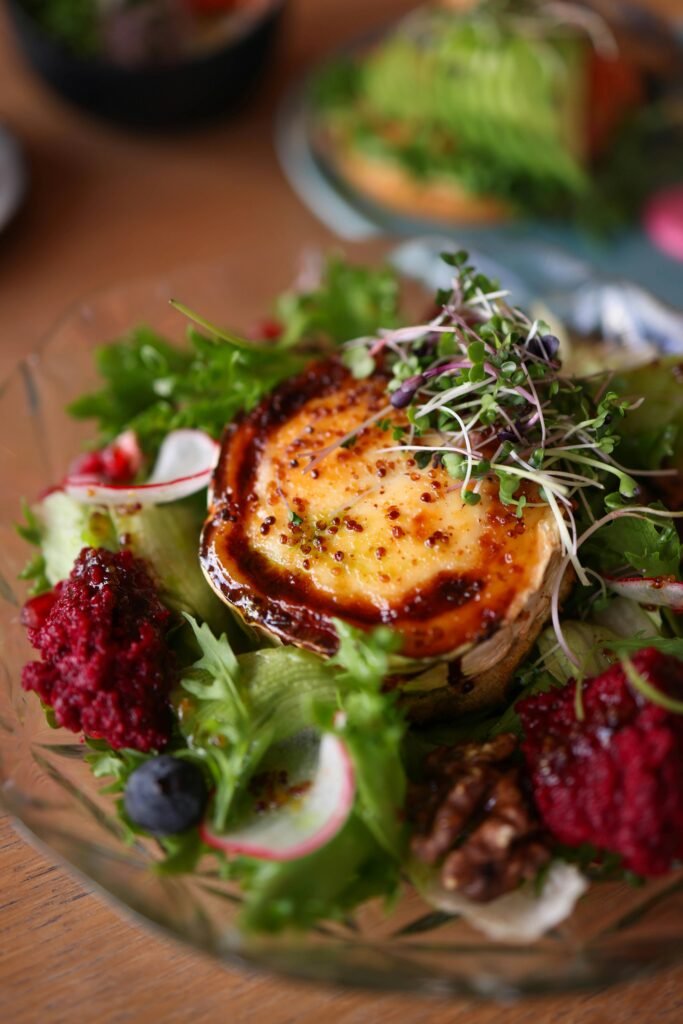
But here’s the thing: most people buy them, toss them on top of avocado toast once, and forget about them.Today we’re changing that.This microgreens salad recipe is the one I keep coming back to week after week. It’s fresh, satisfying, takes under 10 minutes to throw together, and the dressing? Honestly a little addictive.
I call it the Golden Beet & Sunflower Microgreen Salad with Miso-Ginger Vinaigrette — and it’s unlike anything else you’ll find out there.Let’s get into it.
Why Microgreens Deserve the Star Role in Your Salad
Before we dive into the recipe, let’s talk about why microgreens aren’t just a pretty garnish.Research shows that microgreens may contain 4 to 40 times more nutrients than their fully grown counterparts. That’s not a typo.
Those tiny little leaves are absolutely loaded with vitamins C, E, and K, beta-carotene, and polyphenols — powerful plant compounds that act as antioxidants in the body.To put it in perspective: red cabbage microgreens have been found to contain over 40 times the vitamin E and six times the vitamin C of mature red cabbage.
And broccoli microgreens? They’re one of the richest sources of phenolic compounds of any plant at any stage of growth.
What does that mean for you practically? It means that a small handful of microgreens added to your salad is doing serious work — supporting heart health, managing blood sugar, reducing inflammation, and even supporting brain function through polyphenols linked to lower rates of cognitive decline.
And yet, most microgreens salad recipes treat them like a topping. A sprinkle. An afterthought.Not this one.
Amazon Affiliate Disclaimer
This post contains affiliate links. As an Amazon Associate, I earn from qualifying purchases. This means if you click on a link and make a purchase, I may receive a small commission at no extra cost to you. I only recommend products I genuinely use and love.
Thank you for supporting this blog!
What Makes This Recipe Different
Here’s what you’ll find in most microgreens salad recipes online: mixed greens, cherry tomatoes, cucumber, lemon dressing. Totally fine. Pretty generic.
This recipe is built around microgreens as the main event, supported by a flavor-forward ingredient list that actually makes sense together — sweet roasted golden beets, creamy goat cheese, toasted pepitas, and a miso-ginger vinaigrette that hits salty, tangy, and slightly sweet all at once.It’s the kind of salad that makes people say “wait, you made this at home?”
A good glass salad bowl also makes this recipe look fresh and restaurant-worthy, especially if you’re serving guests or posting your lunch on Instagram. And if you enjoy homemade dressings, a small dressing shaker or olive oil dispenser makes mixing everything together incredibly easy.
These little upgrades honestly make healthy eating feel much more enjoyable day to day.
The Golden Beet & Sunflower Microgreen Salad with Miso-Ginger Vinaigrette
Serves: 2 as a main, 4 as a side
Prep time: 10 minutes
Cook time: 35 minutes (for roasting beets — skip with store-bought)
Total time: 45 minutes (or 10 minutes with pre-cooked beets)
Difficulty: Easy
Ingredients
For the salad:
- 3 cups sunflower microgreens (or a mix of sunflower and pea shoots)
- 2 medium golden beets, roasted and sliced into half-moons
- ½ cup shelled edamame (thawed if frozen)
- ¼ cup crumbled goat cheese
- 3 tablespoons pepitas (pumpkin seeds), toasted
- 1 small shallot, very thinly sliced
Optional: 1 small mandarin orange, peeled and segmented
For the miso-ginger vinaigrette:
- 3 tablespoons extra virgin olive oil
- 1½ tablespoons rice wine vinegar
- 1 tablespoon white miso paste
- 1 teaspoon fresh ginger, finely grated
- 1 teaspoon honey or maple syrup
- 1 teaspoon sesame oil
- Pinch of sea salt and white pepper
Why These Ingredients Work Together
Sunflower microgreens are the best starting microgreen for this recipe if you’re new to eating them. They’re mild, slightly nutty, and have a satisfying tender-but-not-floppy texture.
They hold up under dressing far better than delicate pea shoots alone.Golden beets bring natural sweetness and an earthy depth that plays beautifully against the miso dressing.
They’re also visually stunning — that golden-yellow against the bright green microgreens is genuinely beautiful on a plate.
Can’t find golden beets? Regular red beets work, but they’ll bleed into everything (still delicious, less pretty).
Edamame adds protein and a pop of green color. It also means this salad can actually fill you up, which is a genuine problem with most microgreen salads that end up being more air than food.
White miso in the dressing is the secret weapon. It adds a gentle umami depth that you can’t quite put your finger on but absolutely notice when it’s missing. White miso is the mildest variety — it won’t overpower, it just rounds everything out beautifully.
Toasted pepitas add crunch, magnesium, and a toasty richness. Don’t skip toasting them — 3 minutes in a dry pan changes everything.
Instructions
Step 1: Roast the beets (skip if using pre-cooked)
Preheat your oven to 400°F (200°C). Scrub the golden beets, wrap individually in foil, and roast for 30–40 minutes until fork-tender. Let them cool for 10 minutes, then peel (the skin slides right off) and slice into half-moons. You can do this up to 3 days ahead and keep them in the fridge.
Step 2: Make the miso-ginger vinaigrette
In a small jar, combine olive oil, rice wine vinegar, miso paste, grated ginger, honey, sesame oil, salt, and white pepper. Put the lid on and shake vigorously until the miso is fully dissolved and the dressing is smooth and emulsified. Taste and adjust — more vinegar for tang, more honey for sweetness, more miso for depth.
Step 3: Toast the pepitas
Add pepitas to a dry pan overmedium heat. Shake the pan every 30 seconds for about 3 minutes until they start to pop and turn golden. Remove from heat immediately — they go from perfect to burnt fast.
Step 4: Build the salad
Place the sunflower microgreens in a wide, shallow bowl or plate (a wide plate makes for a much better-looking salad than a deep bowl). Arrange the golden beet slices, edamame, and shallot over the top. Add the goat cheese in small crumbles. Scatter the toasted pepitas. Add mandarin segments if using.
Step 5: Dress and serve
Drizzle about half the dressing over the salad and gently toss just enough to coat. Add more dressing to taste. Serve immediately — microgreens wilt quickly once dressed, so this isn’t a make-ahead situation.
What to Put in a Microgreens Salad: The Build-Your-Own Guide
One of the most common questions people have is simply: what goes well with microgreens in a salad?
Here’s a simple formula that works every single time:
Base: 2–3 cups of microgreens (sunflower, pea shoots, radish, or a mix)
Sweetness: Roasted beets, mandarin orange, dried cranberries, fresh mango, sliced pear, roasted sweet potato
Creaminess: Avocado, goat cheese, burrata, feta, or a tahini dressing
Crunch: Toasted nuts or seeds (pepitas, walnuts, almonds, sunflower seeds), croutons, or thinly sliced raw vegetables
Protein: Edamame, chickpeas, grilled chicken, soft-boiled egg, sliced steak, poached salmon
Acid: A vinaigrette-style dressing — the acid is essential because it balances the natural earthiness of the greens
The key rule: don’t overcrowd. Microgreens are delicate. Too many heavy toppings and they get crushed and soggy. Aim for 3–4 toppings maximum and distribute them gently.
How to Pick the Best Microgreens at the Store
Not all microgreens are created equal, and knowing what to look for makes a real difference in the final salad.
Look for: Vibrant, upright stems with fully open leaves. No yellowing, no sliminess, no strong smell.
Smell them: Microgreens should smell fresh and green — almost grassy. If there’s any off smell, skip them.
Check the density: A container that feels heavy for its size usually means fresh, well-grown greens. Sparse, leggy microgreens were likely grown in low light.
Buy from farmers markets when possible: Microgreens are one of those foods that deteriorate faster than you’d think.
Supermarket microgreens may have been in transit for days. Farmers market greens are often cut that morning.
Varieties to know:
Sunflower: Mild, nutty, hearty — best for beginners
Pea shoots: Sweet, tender, delicate — great with citrus dressings
Radish: Peppery, bold — pairs well with creamy dressings
Broccoli: Mild brassica flavour, dense nutrition — extremely versatile
Red amaranth: Striking deep red colour, slightly earthy — beautiful in salads
The Best Microgreens Salad Dressings
The dressing is where most microgreens salads go wrong. You need enough acid and fat to actually flavour the greens without drowning them.
Here are three dressings that work brilliantly with microgreens:
1. Miso-Ginger Vinaigrette (as in this recipe)
Olive oil, rice vinegar, white miso, fresh ginger, honey, sesame oil. Rich, umami, and slightly Asian-inspired. Works especially well with sunflower and pea shoot microgreens.
2. Classic Lemon-Dijon
Olive oil, fresh lemon juice, Dijon mustard, garlic, honey, salt and pepper. Bright and clean, this lets the microgreens speak for themselves. Best for radish or broccoli microgreens.
3. Tahini-Lemon
Tahini, lemon juice, garlic, water to thin, salt. Thick, creamy, and filling. Perfect when you want the salad to act as a full meal. Works especially well with heartier greens like sunflower or corn shoots.
One golden rule: always dress lightly and toss gently. Microgreens are fragile. A heavy hand with the dressing means a soggy, flat salad within minutes.
Storing Microgreens the Right Way
Microgreens are notoriously short-lived. Here’s how to keep them fresh as long as possible:
Store in the original container or a lidded container lined with a dry paper towel
Keep them in the coldest part of your fridge (not the crisper drawer — that’s too humid)
Don’t wash them until right before use — moisture accelerates decay
Use within 5–7 days of purchase for best quality
If they’re starting to look limp, revive them with a 5-minute soak in ice water, then dry thoroughly — they’ll perk right back up
Make It Your Own: Variations to Try
Summer version: Swap beets for fresh peach slices and add burrata. Use a balsamic glaze instead of vinaigrette.
Autumn version: Add roasted butternut squash, dried cranberries, and candied walnuts. Use an apple cider vinaigrette.
Protein bowl version: Double the edamame, add a soft-boiled egg, and serve over a base of quinoa or brown rice under the microgreens.
Vegan version: Skip the goat cheese and use avocado slices instead. Replace honey in the dressing with maple syrup.
Kid-friendly version: Use pea shoot microgreens (mildest flavour), skip the shallot, and serve with a simple honey-lemon dressing on the side.
Frequently Asked Questions
Can I use microgreens as the entire salad base?Yes — and that’s exactly what this recipe does. The key is choosing a heartier variety like sunflower or corn shoots that won’t collapse under the weight of toppings.
Are microgreens better than spinach or kale in a salad?It depends on what you’re going for. Microgreens are more nutrient-dense by weight, but you typically eat less of them in volume. Think of them as a nutritional upgrade to your existing salad greens, not necessarily a replacement for all of them.
Can I grow my own microgreens for this recipe?Absolutely — and it’s much easier than you’d think. Sunflower microgreens are one of the most beginner-friendly varieties to grow at home. They’re ready to harvest in about 10–14 days, need minimal equipment, and can be grown year-round on a sunny windowsill.
What protein goes best with this salad?For the miso-ginger version, grilled salmon is a perfect match. The umami in the miso dressing complements the richness of the fish beautifully. Poached chicken or tofu also work well.
Can I make this salad ahead of time?Make the dressing and roast the beets up to 3 days ahead. Toast the pepitas and store them in an airtight container. Assemble everything fresh — once the microgreens are dressed, the clock is ticking.
Final Thoughts
The beauty of microgreens is that they make healthy eating genuinely exciting. There’s something about a beautiful bowl of bright green, perfectly dressed microgreens with golden beets and toasted seeds that makes you actually want to eat well — no forcing required.
This Golden Beet & Sunflower Microgreen Salad with Miso-Ginger Vinaigrette is the recipe I’d make if I wanted to impress someone at a dinner party, pack a seriously nutritious lunch, or just eat something that looks as good as it tastes on an ordinary Tuesday.
Try it once and I promise it goes straight into the rotation.If you make this recipe, let me know in the comments — I’d love to hear what microgreens variety you used and how you made it your own!
This microgreens salad is one of those fresh, versatile recipes that works with almost anything on the dinner table. For a cozy comfort-food combo, try pairing it with our creamy garlic pasta — the crisp greens balance the creamy sauce perfectly. If you want something hearty and family-friendly, it also goes beautifully beside chicken and spinach pasta for an easy weeknight dinner. Hosting a BBQ or summer lunch? This salad tastes amazing next to our no cook summer dinners because the fresh microgreens add the perfect crunch. And if you’re building a quick comfort-food spread for the family, serve it alongside high protien meals for a balanced meal that feels both indulgent and fresh.