
There’s a particular kind of exhaustion that hits around 5:30pm when you realize dinner is still a hypothetical.
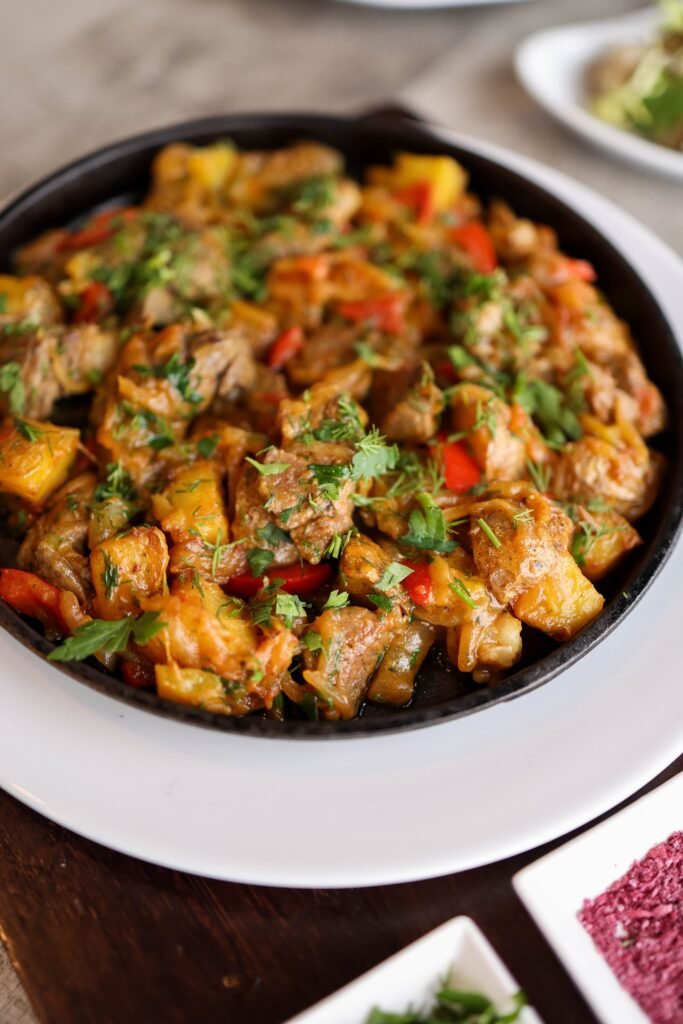
I’ve been there more times than I’d like to admit, standing in front of an open fridge with no plan and even less motivation. One-pot meals are what got me out of that rut. One pan, minimal chopping, dinner in half an hour, and , this is the part that actually matters — almost nothing to clean up afterward.
I’ve been cooking one-pot dinners on repeat for the last few years, partly out of laziness and partly because I genuinely think they taste better than the fussier versions. Below are ten that have earned a permanent spot in my rotation, plus a couple I think are a little overrated, and some general logic you can apply to basically any recipe you already like.
Why One-Pot Cooking Actually Works
The dishes thing is the obvious selling point, but it’s not the whole story. When you brown meat and then build a sauce or broth right in the same pot, you’re picking up all those browned bits stuck to the bottom , the fond and working them back into the dish.
That’s flavor you just don’t get if you’re boiling pasta in one pot and making sauce in another. It’s not a trick, it’s just better technique that happens to also save you a sink full of dishes.
There’s also something to be said for how forgiving this style of cooking is. One vessel means one thing to watch, which means less room to mess up the timing. If you’re still building confidence in the kitchen, this is a genuinely good place to start.
What You Actually Need
Nothing fancy. A big 12-inch skillet with a lid covers most of what’s below. A Dutch oven is worth it if you make soup even semi-regularly. A sheet pan counts too , I’m including a couple of those even though it’s technically “one pan” not “one pot,” because the spirit is the same and honestly some of the fastest dinners on this list are sheet-pan jobs. An Instant Pot is nice to have but not required for anything here.
1. Creamy Garlic Parmesan Pasta
This is the one that converts skeptics. Cook the pasta directly in a mix of broth and milk instead of boiling it separately, and the starch it releases thickens the whole thing into a sauce on its own — no roux, no cream reduction, nothing fussy.
Sauté garlic and shallot in butter, add the liquid and uncooked pasta, simmer uncovered for 10-12 minutes stirring every so often, then stir in parmesan and a handful of spinach right at the end. Under 10 minutes of actual hands-on work. This is probably my most-made recipe on this entire list.
2. Sheet-Pan Chicken Fajitas
Fajitas usually mean two pans going at once — chicken in one, peppers in the other. Skip that. Toss sliced chicken breast with peppers and onion, oil, chili powder, cumin, and lime juice, spread it on a sheet pan, and roast at 425°F for about 18-20 minutes, flipping once.
Warm the tortillas in the oven for the last few minutes so everything lands on the table at the same time.
3. Beef and Rice Skillet
Basically a stuffed pepper that gave up on being stuffed. Brown ground beef with onion and garlic, drain the fat, stir in diced tomatoes, beef broth, and uncooked rice, cover, and let it simmer 18-20 minutes until the rice is done. Cheese on top, lid on for two more minutes to melt it. Ground turkey works fine here too if that’s what you’ve got.
4. Shrimp and Sausage Skillet
A weeknight version of a low-country boil. Sear sliced andouille until it’s browned, add peppers and onion, cook until soft, then throw in the shrimp for the last 3-4 minutes so they don’t turn rubbery — that’s really the only thing you can mess up here.
Season with Old Bay, garlic, and a good squeeze of lemon. Buy the shrimp already peeled and deveined and this is a 20-minute dinner, easily.
5. Lentil and Vegetable Soup
The most budget-friendly thing on this list by far. Sauté carrot, celery, and onion, add garlic, diced tomatoes, broth, and dried red lentils , no soaking required, they cook fast on their own.
Twenty minutes of simmering and they break down enough to thicken the whole pot. Freezes well, which is more than I can say for most soups.
6. Chicken and Orzo
I’ll be honest, this one’s fine but not a standout, I’m including it because orzo cooks fast and the method is genuinely useful to know.
Sear chicken thighs, set them aside, sauté onion and garlic in the same pan, add broth and orzo, simmer 8-10 minutes, then put the chicken back in to finish. Lemon juice and whatever herbs you have on hand at the end.
7. Tortellini Soup
Tastes like it simmered all afternoon. Sauté Italian sausage if you want the extra flavor (skip it and it’s still good), add broth, diced tomatoes, and italian seasoning.
Bring it to a simmer, then drop in cheese tortellini and cook it per the package time, usually 7-9 minutes. Spinach or kale stirred in right before serving.
8. Sheet-Pan Salmon with Asparagus and Potatoes
The one dinner on this list I’d actually serve to guests without apologizing for it. Par-cook thin potato slices at 425°F for about 10 minutes, then add salmon and asparagus to the same pan. Brush everything with olive oil, lemon, and dill, and roast another 12-15 minutes until the salmon flakes. Looks like more effort than it is.
9. Taco Pasta
Kid-friendly, adult-approved, minimal effort. Brown ground beef with taco seasoning, add broth and a can of diced tomatoes with green chiles, stir in pasta, cover, and simmer about 12 minutes, stirring occasionally so it doesn’t stick. Cheese on top, lid on, two minutes, done.
10. Chickpea Curry
Fully plant-based and leans hard on stuff that’s already in your pantry. Sauté onion, garlic, and ginger, stir in curry powder or paste, then add canned chickpeas, diced tomatoes, and coconut milk.
Fifteen minutes of simmering until it thickens up a bit. Rice or naan on the side. No soaking, no long cook times — canned chickpeas do all the work here.
Turn Any Recipe Into a One-Pot Meal
Once the logic clicks, you can convert almost anything:Cook starches directly in the liquid instead of boiling them separately — this is the trick behind most of what’s above.
Turning Any Recipe Into a One-Pot Meal
Once the logic clicks, you can convert almost anything:Cook starches directly in the liquid instead of boiling them separately — this is the trick behind most of what’s above.
Brown your protein or vegetables before adding liquid; that browning is where the flavor actually comes from, not the simmering. Add things in order of how long they take to cook, so hearty stuff goes in first and anything delicate — shrimp, spinach, fresh herbs — goes in at the very end.
Use the lid to speed things up early on, then take it off toward the end if you want a sauce to reduce and thicken. And don’t overcrowd the pan, or you’ll end up steaming everything instead of getting any actual browning.
A Rough Weekly Rotation
I don’t plan meals with military precision, but if I had to sketch out a week: one or two pasta nights, one soup, one sheet-pan dinner, one skillet protein night, and one meatless night. That’s roughly what’s above. Rotating by category rather than by specific recipe keeps things from feeling repetitive without requiring much actual planning.
Frequently Asked Questions
What is a good one-pot meal for beginners?
A pasta dish is the easiest starting point, since it only involves one main cooking process. The creamy garlic parmesan pasta above is close to foolproof — there’s no separate sauce to mess up, and the timing is forgiving even if you’re new to cooking.
Can you really cook pasta directly in the sauce?
Yes. Uncooked pasta releases starch as it cooks, and if it’s simmering in a measured amount of broth or milk instead of a big pot of boiling water, that starch has nowhere to go but into the sauce. As long as you use enough liquid and stir occasionally so nothing sticks, this works with most short pasta shapes.
How do you keep one-pot meals from turning out watery or mushy?
Two things usually cause this: too much liquid, or cooking with the lid on for too long. Most one-pot recipes call for a specific amount of liquid for a reason — it’s calculated to be mostly absorbed by the time the starch is done. If a recipe finishes too soupy, take the lid off and let it simmer a few extra minutes to reduce.
Are one-pot meals healthy?
It depends entirely on what’s in them, same as any other cooking method. The lentil soup and chickpea curry above are both high in fiber and plant protein with no added heaviness. The pasta and beef dishes are more indulgent, but nothing about cooking everything in one pot makes a meal inherently less healthy — it’s really just a method, not a nutrition category.
What’s the difference between a one-pot meal and a sheet-pan meal?
Not much, honestly. Both rely on cooking everything together with minimal separate steps and minimal cleanup. Sheet-pan meals lean on the oven and tend to involve roasting, while one-pot meals usually happen on the stovetop with some amount of liquid or sauce. I use both terms pretty loosely.
The Bottom Line
The dinners that stick around long-term are the ones you’ll actually make again without thinking twice, and one-pot meals tend to earn that spot because they’re fast and low-effort without tasting like it. Pick two or three off this list, see what sticks, and don’t feel bad if the chicken and orzo doesn’t make the cut.
<script type=”application/ld+json”>{ “@context”: “https://schema.org”, “@graph”: [ { “@type”: “Article”, “headline”: “30-Minute One-Pot Meals: 10 Easy Weeknight Dinners”, “description”: “Ten fast, easy one-pot dinner recipes that come together in 30 minutes or less, plus tips for turning any recipe into a one-pot meal.”, “author”: { “@type”: “Person”, “name”: “Roxanne” }, “publisher”: { “@type”: “Organization”, “name”: “30 Minute Bites”, “logo”: { “@type”: “ImageObject”, “url”: “https://30minutebites.com/wp-content/uploads/logo.png” } }, “mainEntityOfPage”: { “@type”: “WebPage”, “@id”: “https://30minutebites.com/30-minute-one-pot-meals” }, “image”: “https://30minutebites.com/wp-content/uploads/one-pot-meals-featured.jpg”, “datePublished”: “2026-07-17”, “dateModified”: “2026-07-17” }, { “@type”: “FAQPage”, “mainEntity”: [ { “@type”: “Question”, “name”: “What is a good one-pot meal for beginners?”, “acceptedAnswer”: { “@type”: “Answer”, “text”: “A pasta dish is the easiest starting point, since it only involves one main cooking process. Creamy garlic parmesan pasta is close to foolproof because there’s no separate sauce to manage and the timing is forgiving.” } }, { “@type”: “Question”, “name”: “Can you really cook pasta directly in the sauce?”, “acceptedAnswer”: { “@type”: “Answer”, “text”: “Yes. Uncooked pasta releases starch as it cooks, and when it simmers in a measured amount of broth or milk instead of boiling water, that starch thickens into a sauce naturally.” } }, { “@type”: “Question”, “name”: “How do you keep one-pot meals from turning out watery or mushy?”, “acceptedAnswer”: { “@type”: “Answer”, “text”: “Watery or mushy results usually come from too much liquid or cooking with the lid on too long. Removing the lid near the end of cooking helps excess liquid reduce and thicken.” } }, { “@type”: “Question”, “name”: “Are one-pot meals healthy?”, “acceptedAnswer”: { “@type”: “Answer”, “text”: “It depends on the ingredients used, not the cooking method itself. One-pot meals can range from light, fiber-rich dishes like lentil soup to heartier, more indulgent options like beef and rice.” } }, { “@type”: “Question”, “name”: “What’s the difference between a one-pot meal and a sheet-pan meal?”, “acceptedAnswer”: { “@type”: “Answer”, “text”: “Both minimize cleanup by cooking everything together. Sheet-pan meals typically use the oven for roasting, while one-pot meals usually happen on the stovetop with some liquid or sauce.” } } ] } ]}</script>